Menu Close
Before proceeding with a crypto transfer or token swap, users often review potential exposure to suspicious activity. An on-chain risk analysis helps evaluate wallet behavior and transaction patterns, supporting safer decisions before funds are moved.

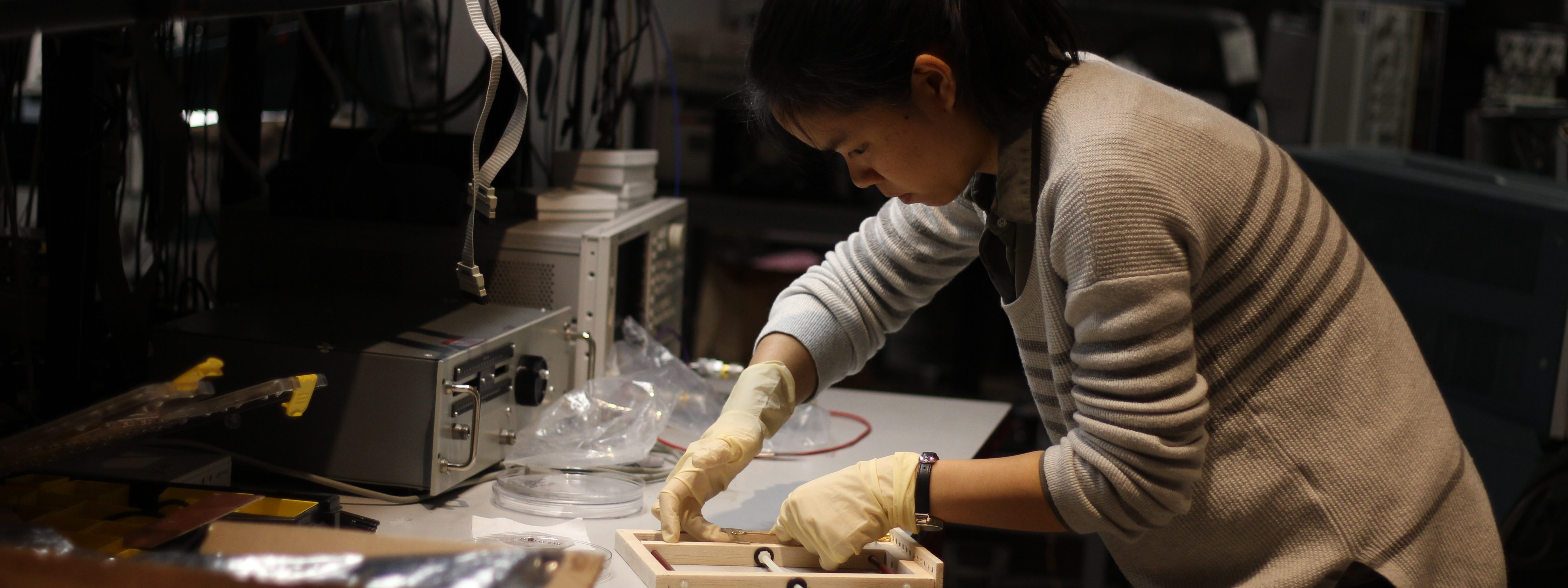
Our research program aims to innovate new paradigms in artificially structured electromagnetic media and to translate these concepts to useful systems. Our approach covers the full stack, from the development of AI-driven design algorithms and new photonic materials platforms to the experimental implementation of devices and their integration into systems. A major focus is the utilization of structured electromagnetic media for clean energy manufacturing, where we see a tremendous need for and ample opportunity to create new concepts in additive manufacturing and the electrification of chemicals synthesis. These research activities align with our central mission of developing tools and technologies for broad societal benefit.

The fusion of scientific computing with deep learning represents a fundamental shift in how multiphysics problems are solved. We are developing new AI-infused solvers and optimizers that are pushing the speeds and capabilities of computing algorithms. We are also innovating multi-agentic algorithms based on interacting LLMs for streamlining and democratizing computing in photonics.

Freeform Nanophotonics


We are developing new platforms for freeform, computational-designed metaphotonics. Our goal is to understand and realize artificial media that operate at the physical limits of structured materials design and that support new capabilities. We are applying these concepts to realize experimental metaphotonic-enabled systems with applications in imaging, holographic display, and additive manufacturing

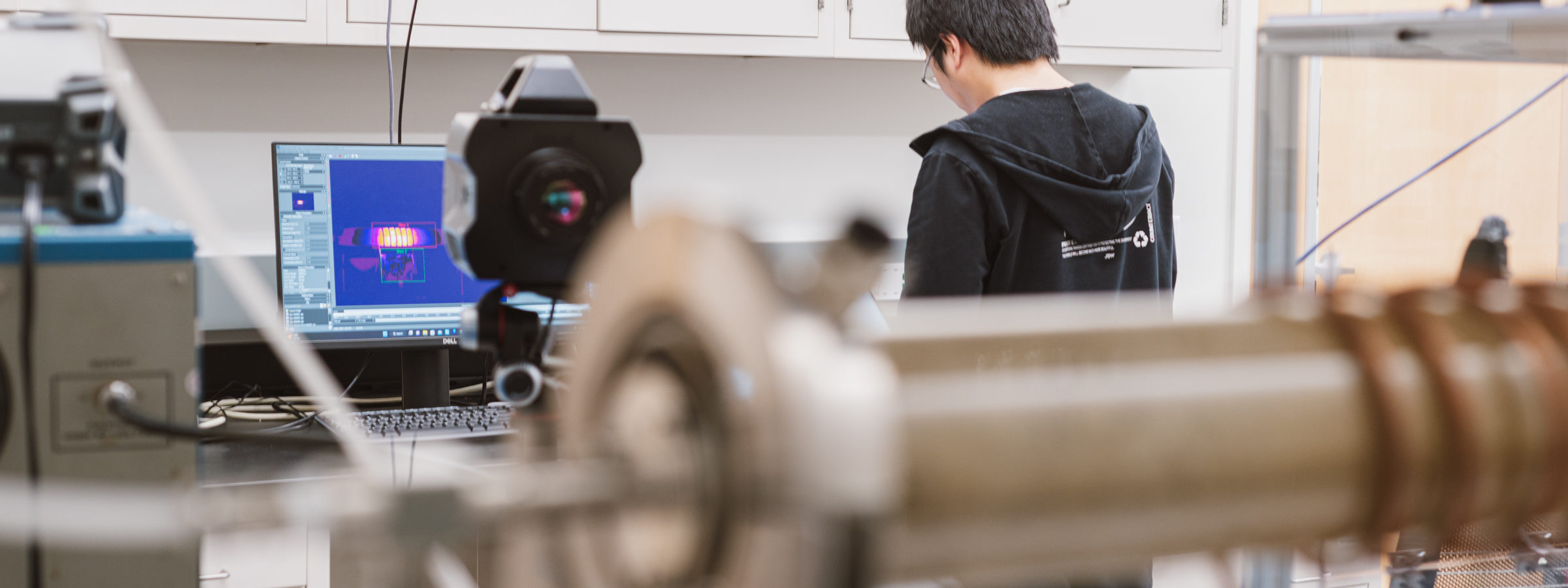
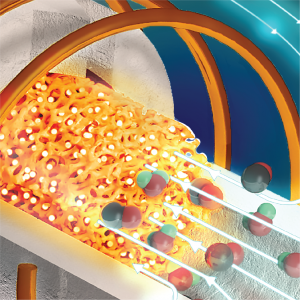
Nearly one fifth of global carbon emissions come from the combustion of fossil fuels for high grade heat for use in heavy industry. We are developing new classes of electrified chemical reactors, termed metamaterial reactors, which utilize high frequency magnetic induction for clean powering. These concepts leverage the co-design of principles from reaction engineering, electromagnetics, and power electronics.

We gratefully acknowledge the support of our sponsors: